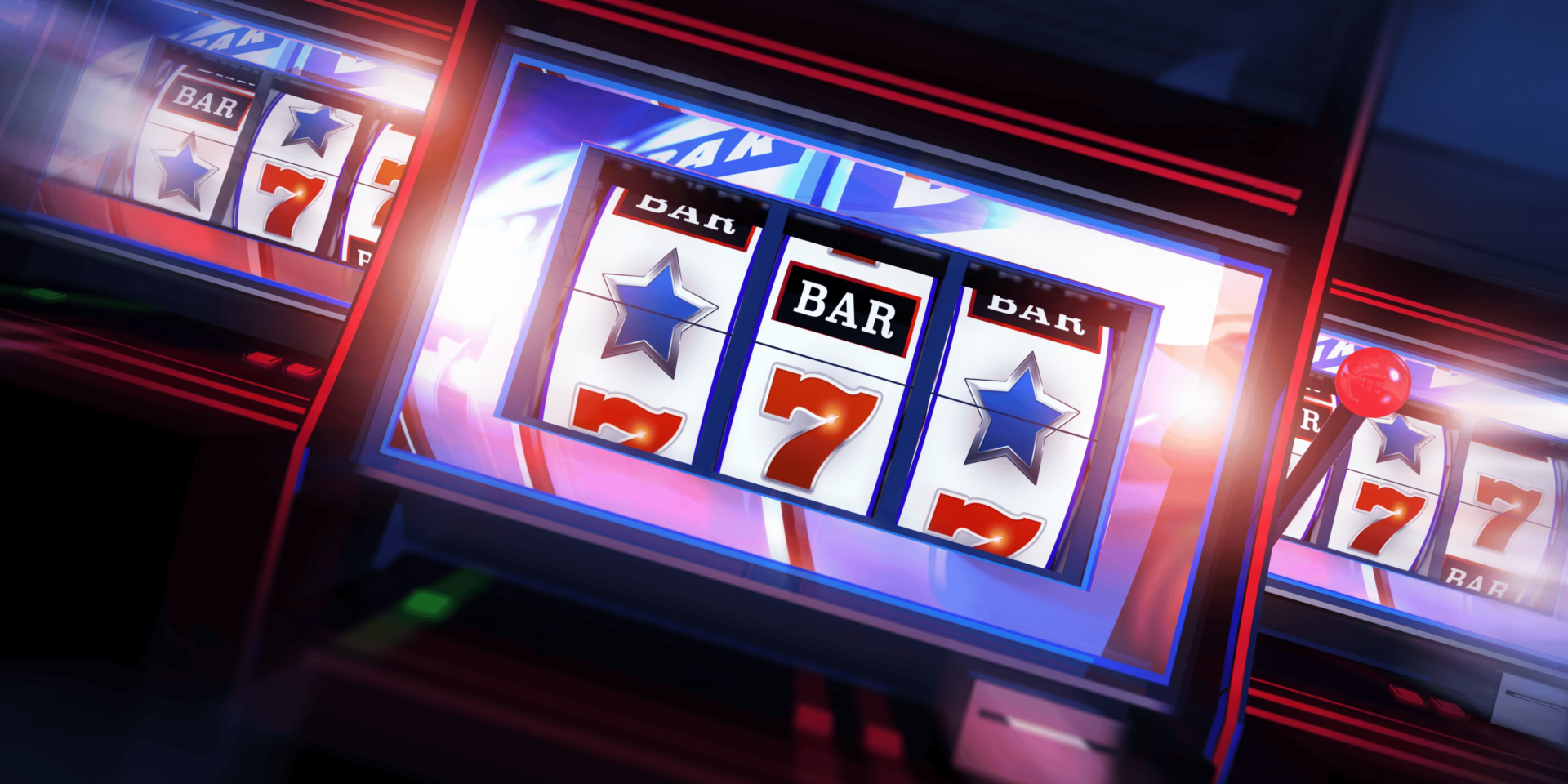
Spin Timing Controls Player Engagement
The rhythm of reel spins sets the pace for how players interact with a slot machine. If the reels spin too quickly or pause for too long, it disrupts the player’s focus. Well-timed spins create a steady rhythm that keeps attention locked in.
During gameplay, the reel stop feels deliberate, not rushed. The delay between pressing “spin” and seeing the result gives the brain just enough time to process anticipation. When this timing is consistent, players find the rhythm predictable and satisfying. A stable pace increases immersion and makes each spin feel like a deliberate action.
Sound Design Directs Emotional Flow
Audio plays a key role in shaping how players feel throughout a session. Each sound—whether it’s a spin, a near miss, or a win—sends a signal that affects mood and engagement. Poor audio design can confuse or overwhelm, while intentional sound design can deepen focus.
When the reels spin, a subtle background tone sets the atmosphere. A soft click or swoosh marks each stop. The sounds grow richer when a bonus symbol appears, creating tension. This emotional shift is not accidental—it is designed to guide the player’s state of mind. When sounds match outcomes clearly, players stay connected to the experience.
Synchronized Feedback Builds Trust
Timing and audio must work together to create believable outcomes. If reels stop too early or a sound plays at the wrong moment, players may sense something is off. Consistent synchronization builds trust by reinforcing that the game operates as expected.
A player who spins multiple times and sees a perfect match between visual outcomes and audio cues will believe the game is functioning fairly. That belief makes them more likely to continue playing. Any delay or mismatch between sight and sound breaks the illusion and reduces immersion.
Anticipation Requires Deliberate Delay
Short delays during critical moments increase anticipation. When a player waits for a third bonus symbol or a jackpot alignment, a slight slowdown builds tension. This delay must feel natural—not forced—or it risks becoming annoying.
In a high-stakes moment, the final reel moves slower than the others. The audio slows as well, syncing with the visual suspense. This pacing makes the moment feel important. If the outcome is a win, the tension pays off. If not, the slowdown still feels purposeful. That experience shapes the emotional highs and lows of the game.
Win Sounds Must Reflect Real Value
Not all wins are equal. The sound that follows a win should match its size. If a small payout triggers loud celebration audio, players may feel misled. Accurate sound cues help players form realistic expectations.
As the reels stop and symbols align, the game plays a short, soft chime for a minor win. A more complex tune plays for a larger payout. This variation teaches the player how the game rewards performance. When win sounds align with payout value, players feel informed rather than manipulated.
Reel Speed Affects Session Length
The speed of spins directly impacts how long players stay in a session. Spins that move too fast can cause mental fatigue. Spins that move too slowly make the game feel boring. Finding the right balance keeps players engaged longer.
During a 20-minute session, the spin speed remains consistent. The player doesn’t feel rushed or stalled. Each spin lasts just long enough to generate anticipation without dragging. This rhythm supports focus and reduces the risk of burnout. Slot games that fine-tune reel timing see longer average playtimes because players feel more comfortable staying engaged.
Audio Transitions Mark Game Phases
Slot machines often have multiple stages: base game, bonus rounds, and jackpot triggers. Each phase must feel distinct. Sound transitions guide the player from one phase to the next without confusion.
When the base game ends and a bonus round starts, the background music shifts. The tone changes from steady to upbeat, and new sound effects replace the old ones. These changes help the player understand that something different is happening. Clear audio transitions support immersion by signaling shifts without needing text or instructions.
Sound Anchors the Slot’s Theme
Every slot game has a theme, whether it’s classic, futuristic, or fantasy. Sound design reinforces that theme. Matching music, tones, and effects help the player stay in the world the game creates.
A player spinning a medieval-themed slot hears lute strings, drum beats, and chime sounds tied to magical events. These elements are not random—they keep the game experience cohesive. When sound design matches the theme, the player forgets they’re playing a machine. They feel pulled into a setting where each sound reinforces the world around them.
Poor Timing Breaks Immersion Instantly
Even a single timing mistake can ruin immersion. If the reels freeze or audio glitches, the player immediately notices. These interruptions remind players they’re interacting with a programmed system, not an immersive experience.
A player encounters a delay between spin completion and sound playback. That lag feels unnatural and breaks the connection. Even if it happens once, it reduces trust. Slot machines that avoid these mistakes create a smoother, more reliable experience. Consistent timing across all interactions keeps the player inside the game’s emotional flow.
Pacing and Sound Create the Loop
Slot games rely on repetition to maintain player engagement. Each spin is part of a loop: press, spin, react, repeat. Timing and sound drive this loop. If either element feels off, the loop weakens.
A player continues spinning because each outcome feels deliberate. They press the button, hear the spin, watch the reels stop, hear the result, and prepare for the next round. Every stage connects through sound and pacing. When this loop is seamless, players stay in the flow state longer and enjoy the session more.
Audio and Timing Shape the Entire Slot Experience
Slot machines rely on more than symbols and math. Sound design and spin timing work together to shape every moment of gameplay. These two elements guide attention, manage emotion, and build player trust.
When spins feel responsive and sounds match outcomes, the player stays immersed. Delays create tension, music sets tone, and feedback reinforces fairness. Every second counts. Games that master audio and timing create a stronger, more engaging experience that players remember—and return to.