Virtual Reels Drive Perceived Game Fairness
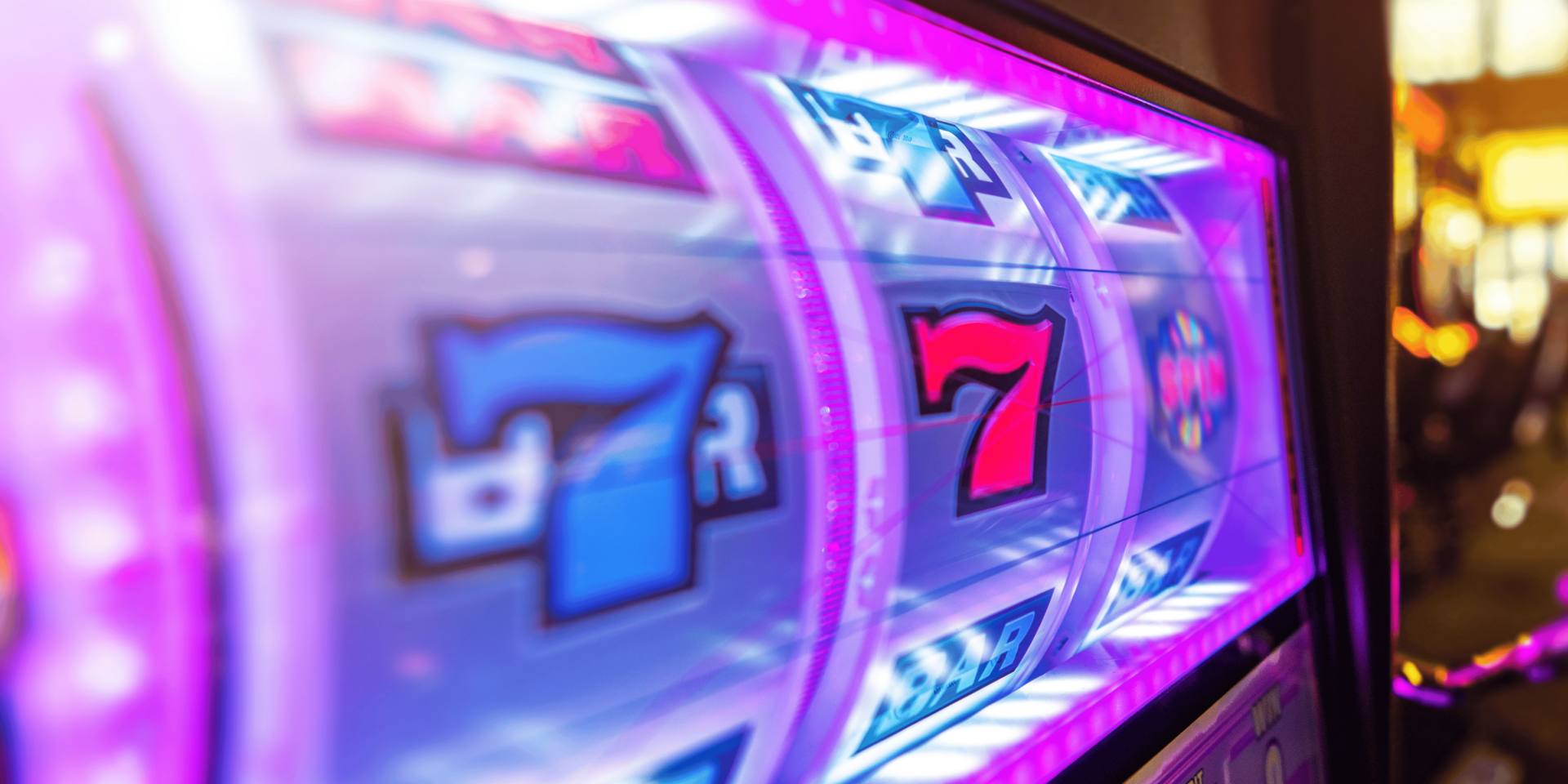
Virtual reels determine the symbols that appear on each spin. Unlike physical reels with fixed positions, virtual reels use code to expand or compress symbol distribution. This system gives developers full control over outcomes without changing the visible structure of the game.
A player spins and sees familiar fruit or jackpot symbols scroll by. The screen shows three rows and five columns, but the real outcome depends on the hidden virtual reel map. If high-value symbols are weighted less frequently, wins become rare. The player notices a pattern of misses and near-misses. This repetition affects how fair the game feels, even when the odds stay within regulatory limits.
Weighted Symbol Distribution Impacts Emotional Pacing
Virtual reels allow developers to control how often each symbol appears. A common method is weighting—where symbols are coded to appear more or less frequently based on their value. High-value symbols appear less often, creating longer gaps between major wins.
A player experiences a session with several small wins followed by extended losses. This rhythm isn’t random—it follows a virtual structure designed to delay large payouts. These patterns create emotional waves that alternate between hope and frustration. Over time, this structure influences how players emotionally engage with each round.
Near-Miss Outcomes Increase Player Tension
Sweepstakes slots use virtual reels to produce near-miss results—where high-value symbols land just outside a winning line. These outcomes look promising but result in no payout. Even without a win, the player feels emotionally activated.
In a realistic play session, the reels land two jackpot symbols with the third one stopping one position above the line. The game highlights the outcome and adds sound effects to draw attention. The player feels a rush followed by disappointment. This near-win keeps them emotionally involved and encourages more spins in hopes of a better result.
Symbol Clustering Creates False Momentum
Virtual reels allow for symbol clustering—placing several identical low-value symbols close together. When the reels stop, these clusters create small wins that feel more frequent than they actually are. The repeated payouts give the impression of progress.
A player spins and sees the same symbol appear across the screen several times in a row. The wins are small, but the consistency creates a sense of movement. The player starts believing the slot is warming up or trending positively. This illusion of momentum increases spin frequency and emotional investment, even when the total payout remains low.
Reel Spin Speed Controls Emotional Build-Up
Reel speed contributes to how players feel during gameplay. Virtual reels give developers control over how quickly or slowly each column spins. When reels slow down at key moments, tension increases. When they speed up, the game feels fast and aggressive.
During a bonus trigger attempt, the first two reels stop quickly while the third takes longer. The sound fades as the player waits for the final result. This moment holds emotional weight. If the bonus hits, the timing feels justified. If it misses, the delayed reveal still impacts the player emotionally, making the near-hit more memorable.
Randomized Outcomes Mask Pattern Recognition
Players try to identify patterns, even in random systems. Virtual reels shuffle outcomes each spin, making it difficult to predict results. However, the appearance of randomness can create frustration or excitement, depending on timing and symbol distribution.
In a long session, the player believes a certain symbol shows up more often at specific intervals. The game’s structure does not support this assumption, but the player still believes a pattern exists. This belief adds emotional layers to the session—hope, skepticism, and curiosity. Virtual randomness maintains this dynamic without revealing the underlying system.
Payline Visibility Shapes Emotional Focus
The number of visible paylines influences how players interpret results. Virtual reels make it possible to display dozens of paylines across the screen, even if only a few produce wins. This presentation style keeps the player visually engaged, even when actual outcomes don’t change.
As the reels spin, the screen flashes multiple highlight paths. The player’s attention is drawn to the bright lines and sounds that suggest activity. Even with no win, the animation feels energetic. This distraction masks the reality of losses and keeps emotions elevated, pushing the player to continue.
Bonus Round Entry Depends on Reel Positioning
Sweepstakes slots use reel programming to space out bonus triggers. Virtual reels manage how far apart the necessary symbols appear. The game may show two bonus symbols frequently while placing the third symbol deeper in the reel structure. This design builds anticipation without frequent activation.
The player spins and hits two bonus icons often but rarely lands the third. The repetition builds the expectation that the bonus is due. Emotionally, this tension becomes part of the gameplay experience. Whether the bonus arrives or not, the delay shapes the player’s perception of opportunity and fairness.
Symbol Frequency Affects Session Length
Symbol frequency—controlled by virtual reel mapping—impacts how long players stay in a session. If wins come too slowly, players leave. If wins are too frequent, the game may lose its edge. Developers find a balance that maximizes retention without making outcomes predictable.
A player enters a session and experiences a mix of wins, losses, and close calls. The pacing feels intentional. The game keeps them guessing without overwhelming or boring them. This structure encourages extended play by balancing emotional highs and lows across each spin.
Reel Customization Supports Thematic Immersion
Virtual reels allow designers to build custom layouts that match a game’s theme. Symbols, animations, and spin patterns are tailored to create a cohesive environment. This attention to detail deepens the player’s emotional connection to the game.
As the player engages with a fantasy-themed slot, they notice unique symbol groupings and animated transitions. The reels behave differently than in other games. These differences aren’t just aesthetic—they’re built into the virtual reel logic. This design keeps the player immersed by aligning visuals and outcomes with the story of the game.
Virtual Reels Directly Influence Player Emotion
Virtual reels are more than just technical tools—they are emotional drivers in sweepstakes slot design. By controlling symbol frequency, timing, spin speed, and payline structure, developers shape how players feel during every moment of play.
From near-misses to small-win clusters, every aspect of virtual reel design aims to keep players emotionally involved. These systems manage tension, reward, and perceived fairness in ways that traditional reels never could. For players, understanding the emotional weight of virtual reels helps explain why sweepstakes slots feel as compelling as they do.