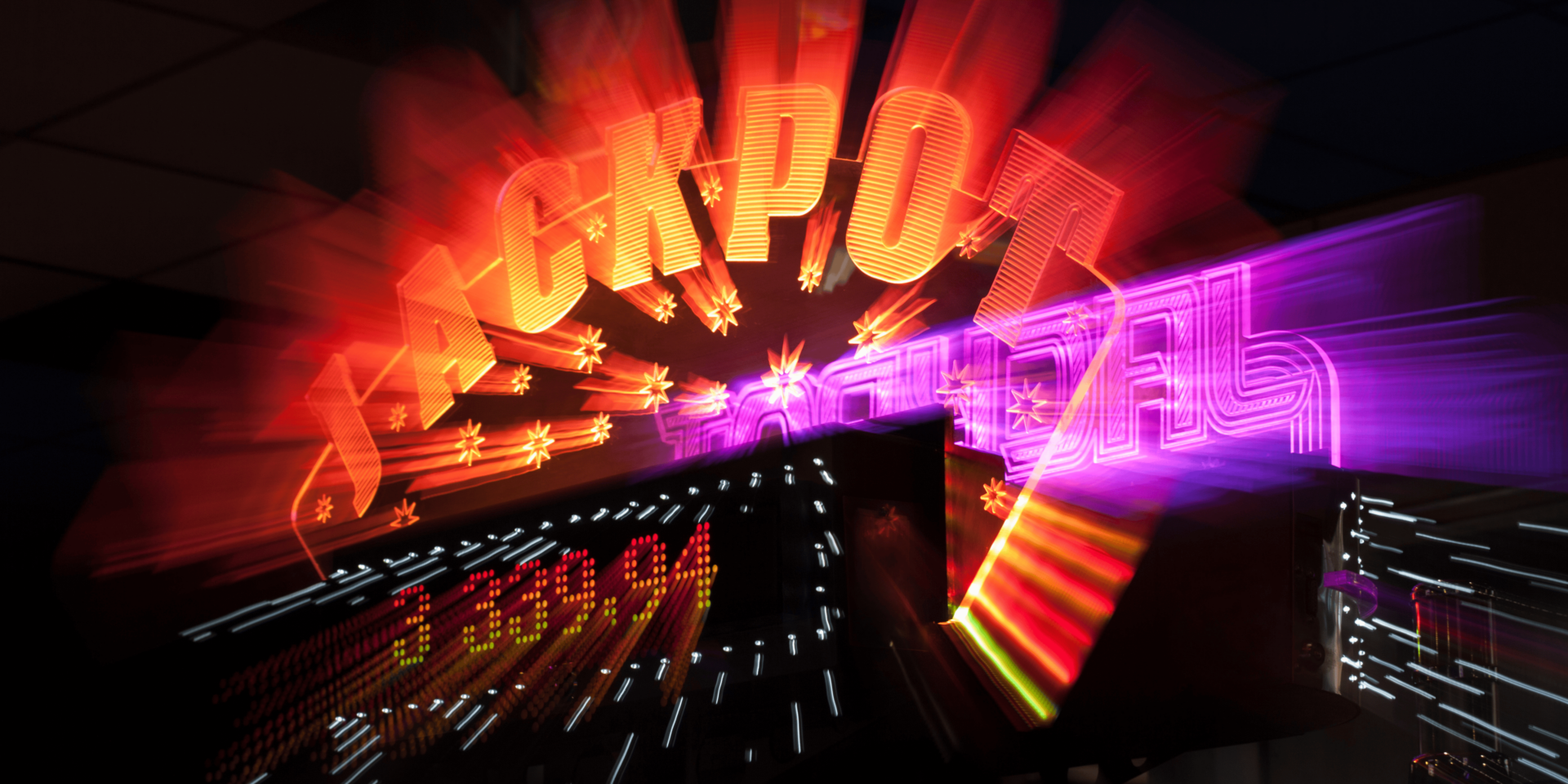
Bonus Symbols Create a Strong Psychological Hook
Bonus symbols do more than unlock features—they change how players think and feel about the game. These symbols are designed to stand out, flash at the right moment, and build anticipation. Their placement and animation influence how players perceive progress, even when no reward is given.
Every appearance of a bonus symbol is part of a system built to hold attention. The symbols are not random distractions. They are psychological tools that drive engagement and create the illusion of choice.
Visual Design Signals Importance
Bonus symbols are built to attract attention. Developers use color, motion, and size to separate them from regular symbols. When they land on the reels, they activate screen effects—glows, shakes, or sound cues—that demand focus.
This visual treatment makes bonus symbols feel valuable. Even if nothing happens, their presence still creates excitement. The player begins to associate them with possibility. Over time, this perception builds emotional investment in the symbols themselves.
Sound Cues Add Emotional Weight
The moment a bonus symbol appears, it often triggers a sound—sometimes a rising pitch, suspenseful tone, or celebratory jingle. These audio cues are carefully timed to build tension, especially when the symbol lands on the first or second reel.
As the reels spin, players listen for those sounds. The brain starts to expect something when the sound plays, which strengthens the emotional response. When the third bonus symbol doesn’t land, the feeling of loss can still keep players spinning—chasing the sound, not the reward.
A Realistic Scenario: The Bonus Almost Hits
A player opens a slot game after work. On the second spin, two bonus symbols land. The screen pulses, the music shifts, and the final reel spins slower. The third symbol doesn’t show. Instead, the reels reset with a small payout.
Even without a bonus round, the player feels something important almost happened. That moment pulls them deeper into the game. They start spinning faster, waiting for the next close call. The bonus symbols now feel tied to them personally—like they’re due.
Near Misses Make the Bonus Feel Earned
When two bonus symbols land and the third almost appears, the player feels like they’re close to a win. In reality, slot spins are random, and each is independent of the last. But near misses trick the brain into believing progress is being made.
This near-win effect increases motivation. Players feel encouraged to keep spinning, thinking that a bonus is just around the corner. The design creates the illusion of skill, even though there’s no control over the result.
Bonus Symbol Patterns Trigger Emotional Recall
Players remember when bonus symbols land, especially during close calls. These moments create emotional peaks. The stronger the reaction, the more likely the player is to chase that feeling again.
Bonus symbols are tied to memory, not logic. Players may believe certain games or times of day produce more bonuses simply because the symbols stand out. The emotional memory makes the experience feel personal—even though the outcome is governed by code.
Trigger Animations Reinforce Player Action
When a bonus symbol lands, the game often highlights the reels, delays the next spin, or slows the animation. These subtle changes reinforce the idea that something important is happening, and that the player’s action caused it.
This delay amplifies engagement. Players feel responsible for triggering the bonus sequence, even when they haven’t received a reward. This sense of agency leads to continued play, motivated by a false connection between choice and result.
Reward Uncertainty Keeps Players Active
Slot games rarely make bonus symbols appear consistently. The randomness increases the emotional impact of each appearance. Because players never know when they’ll land, the event feels special—even if it’s not followed by a reward.
This uncertainty is addictive. Players become sensitive to the presence of bonus symbols and treat each one as a sign to keep playing. The unpredictable nature of the symbols creates a tension that rarely leads to immediate satisfaction but encourages continued effort.
Perceived Control Influences Risk
When players see bonus symbols appear frequently, they feel more in control. The game appears active, responsive, and full of opportunity. This perception can lead players to increase their bet size or extend their session length.
Even though the bonus is randomly triggered, the emotional response changes how the player manages risk. They chase a result they cannot control, believing that bonus symbols reflect progress rather than probability.
The Game Personalizes the Bonus Experience
Slot platforms often include dynamic elements like personalized missions or timed events. These tools make players feel like the game is paying attention to them. When bonus symbols start to appear more often during these events, it reinforces the idea that the game is responding to their playstyle.
This personalization makes the symbols feel tailored. Players interpret them as signals, not system outputs. They continue spinning, not because they believe in luck—but because the symbols feel like they were meant to land just for them.
Bonus Symbols Are Built to Feel Personal
Bonus symbols are more than gameplay features. They are psychological devices that trigger attention, emotion, and memory. Their design makes players feel connected, engaged, and hopeful—even when no bonus is awarded.
Understanding how bonus symbols are used to shape behavior helps players see through the illusion. The symbols feel personal by design, not by chance. Once that becomes clear, players can make better choices about when to spin—and when to stop.